


Your Blood Sugar Is "Borderline Fine"-Here Is What That Actually Means (And What to Do About It)
You sit in the doctor's office, looking at your annual blood report. Your fasting glucose reads 108 mg/dL, or perhaps your HbA1c is sitting at 5.9%. Your doctor glances at the sheet, shrugs, and says:
"It's just borderline. A little elevated, but nothing to worry about yet. Just watch your diet, walk a bit, and we’ll check it again next year."
You walk out of the clinic feeling a wave of relief. You tell yourself that your intense, daily sugar cravings, your stubborn abdominal fat, and that heavy, daily afternoon energy crash are just the natural results of aging, work stress, or a busy lifestyle.
But biologically, "borderline fine" is a metabolic emergency.
When your blood sugar levels are sitting just below the diagnostic threshold for Type 2 diabetes, it does not mean your body is healthy. It means your biological systems are working on extreme overdrive just to keep you standing still. Left untreated, this "borderline" safety net silently degrades.
Understanding exactly what is happening inside your cells is the key to reclaiming your daily energy, stopping cravings at the root, and reversing this trajectory before you cross the clinical line.
The Normalized Warning Signs of Metabolic Stress
Pre-diabetes does not hurt. It is a silent, creeping shift in your cellular chemistry. Because it is painless, we routinely ignore or normalize its daily symptoms, attributing them to character flaws or basic fatigue.
If you experience these four signs regularly, your body is sounding a metabolic alarm:
1. The Post-Meal Sweet Tooth
If you find yourself frantically searching the kitchen for a piece of chocolate, a sweet, or a sugary drink immediately after finishing a heavy lunch or dinner, you are not lacking willpower. This is not a "sweet tooth"-it is a biological SOS. When your cells are resistant to insulin, they cannot absorb glucose from the food you just ate. Even though you are full, your cells are literally starving for energy, forcing your brain to trigger an emergency craving for fast-burning sugar.
2. The 90-Minute Post-Lunch Slump
You eat a healthy, carbohydrate-rich meal like white rice or roti. Within an hour and a half, a heavy, unavoidable wave of exhaustion hits you. You find yourself struggling to keep your eyes open during meetings and rely on a strong cup of tea or coffee just to survive the afternoon. This rapid crash is caused by a massive glucose spike followed by an equally dramatic insulin surge, leaving your bloodstream suddenly depleted of energy.
3. Stubborn Abdominal Fat
You have been eating reasonably well and walking occasionally, but that stubborn roll of fat around your waist refuses to budge. High baseline insulin levels act as a biochemical lock on your fat cells, preventing your body from releasing stored fat for fuel and keeping you in permanent fat-storage mode.
4. Waking Up at 3:00 AM
You go to bed exhausted, sleep for a few hours, and then find yourself wide awake, staring at the ceiling at exactly 3:00 AM. As your liver struggles to manage fluctuating blood sugar levels overnight, it triggers cortisol (your stress hormone) to release emergency glucose, waking you up in a state of sudden, unexplained alertness.
The "Borderline Fine" Trap: What Is Happening Inside Your Cells?
To understand why "borderline" is a warning sign, we have to look at the lock-and-key mechanism of your metabolism.
Every cell in your body requires glucose (sugar) for fuel. When you eat carbohydrates, they are broken down into glucose, which enters your bloodstream. In response, your pancreas releases a hormone called insulin. Think of insulin as a biochemical key. It travels to your cells, fits into a receptor (the lock), and opens the cell door so glucose can enter and be converted into clean cellular energy.
When you develop insulin resistance, your cell locks become "numb" or rusted. The insulin keys can no longer unlock the cell doors efficiently. As a result, glucose remains trapped in your bloodstream, unable to feed your tissues.
To compensate and keep your blood sugar in the "borderline" range on your lab tests, your pancreas has to work on extreme overdrive. It begins pumping out three to five times more insulin than normal, essentially forcing the cell doors open through sheer volume.
On paper, your blood sugar looks "fine." But beneath the surface, your pancreatic beta cells (the cells that manufacture insulin) are running a non-stop metabolic marathon just to keep up with the demand.
The 5-Year Trajectory: Why You Cannot Afford to Wait
Pancreatic compensation has a biological limit. If you do not take proactive action to restore your cellular sensitivity, pre-diabetes follows a highly predictable, clinical trajectory over a five-year window:
The window to reverse this trajectory is open right now. By acting during the "borderline" stage, you can protect your pancreatic beta cells from permanent burnout and restore your natural metabolic flexibility.
The Science of Reversal: Amylase Inhibition and Beta-Cell Protection
To break the pre-diabetic cycle naturally, you must address two critical metabolic levers:
- Slowing Carbohydrate Digestion: By slowing down the speed at which your digestive system converts starches into glucose, you prevent the rapid blood sugar spikes that force your pancreas to overproduce insulin.
- Protecting Beta Cells: You must flood your system with active antioxidants that reduce oxidative stress on your pancreatic beta cells, allowing them to rest and recover.
This is where a targeted, high-purity pre-diabetes supplement India can offer serves as a powerful metabolic shield.
Clinical studies have revealed that high-quality blue-green algae (spirulina) extract contains unique, active compounds that demonstrate up to 96% amylase inhibition. Amylase is the primary enzyme in your saliva and small intestine responsible for breaking down complex carbohydrates (like rice, roti, or oats) into simple sugars. By inhibiting this enzyme, spirulina naturally slows carbohydrate-to-glucose conversion, transforming a sharp post-meal blood sugar "spike" into a gentle, manageable "curve".
Furthermore, spirulina is rich in Phycocyanin, a potent, natural anti-inflammatory pigment compound. Phycocyanin works at the cellular level to neutralize free radicals, actively protecting your delicate pancreatic beta cells from oxidative damage and supporting long-term insulin sensitivity.
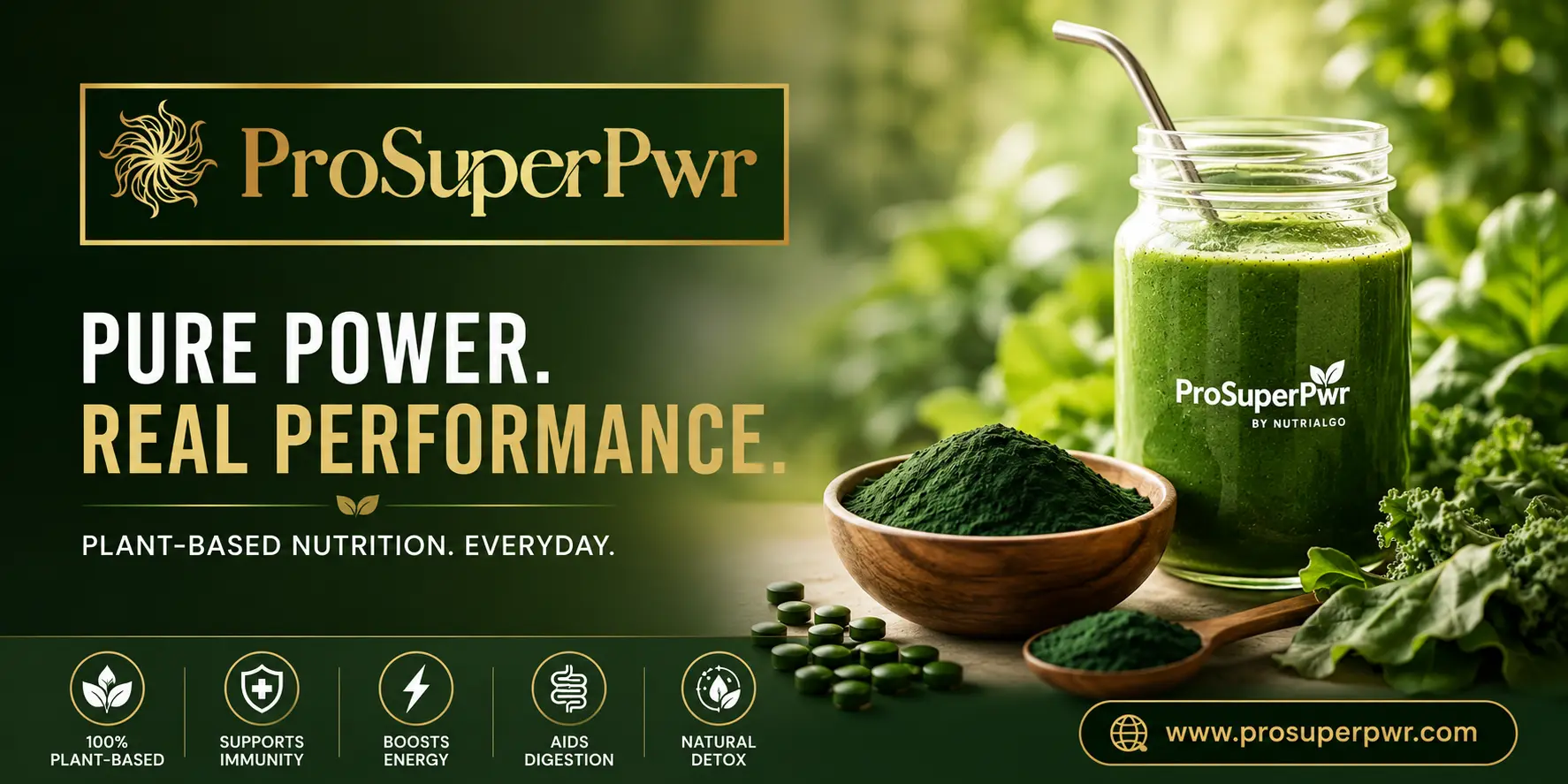
The ProSuperPwr Solution: Max Green Blend
At ProSuperPwr, we reject the typical industry practice of contract manufacturing generic green powders from untraceable third-party brokers. We believe that supporting your metabolic pathways requires absolute safety and pharmaceutical-grade traceability.
Our Max Green Blend is specifically formulated to provide complete, clinical-dose metabolic and blood sugar support. Standardized to a premium 250g jar, it combines 25 powerful, whole-food superfoods and Ayurvedic botanicals to target insulin resistance from multiple angles:
- Farm-Traced Spirulina (Arthrospira platensis): Composed of 60–70% pure, slow-digesting plant protein by weight, our spirulina naturally buffers carbohydrate absorption, protecting you from post-meal glucose crashes.
- Moringa Oleifera: Packed with natural isothiocyanates and Vitamin C, moringa supports peripheral glucose uptake and immune resilience.
- Organic Pea Protein: Provides the amino acid building blocks required for muscle recovery, metabolic rate optimization, and sustained cellular energy.
- Ayurvedic Adaptogens (Ashwagandha & Shatavari): Helps lower systemic cortisol levels, directly targeting stress-induced morning blood sugar spikes and supporting biological sleep pathways.
The Traceability Shield: Why Sourcing Is Everything
Because algae acts like a biological sponge, absorbing everything in its environment, cheap imported spirulina powders carry a high risk of heavy metal contamination (such as lead, arsenic, mercury, or cadmium). Consuming contaminated supplements actively causes cellular toxicity, putting further stress on an already struggling metabolic system.
We do not buy our raw materials from anonymous brokers. We grow every single gram ourselves.
- The Karaikudi Ponds: Our pure spirulina is cultivated naturally under the open South Indian sun in our 17 precisely documented open-air raceway ponds at The GreenWorks Facility in Karaikudi, Tamil Nadu.
- The 36-Hour Freshness Protocol: Mass-market brands rely on cheap, high-heat spray drying that cooks the algae at temperatures over 120°C, destroying active enzymes and degrading beneficial nutrients. We harvest, wash with pure RO water, gently low-temperature dry, and package our spirulina in under 36 hours to lock in peak biological potency.
- Uncompromising Purity: Our state-of-the-art facility is fully FSSAI Certified (Lic No: 12424997000020), GMP compliant, and ISO 9001 certified. We run full laboratory testing on every single batch to guarantee it is 100% free from heavy metals, microbial contamination, and synthetic fillers.
Take Control of Your Biology
A "borderline fine" blood sugar report is not a pass to do nothing. It is a biological gift-a timely warning that your body is seeking metabolic support.
Stop waiting for "borderline" to cross the clinical line into a chronic, lifetime condition. Skip the synthetic symptom-blockers, bypass the unverified mass-market powders, and nourish your metabolic pathways with clean, farm-fresh, traceable science.
Disclaimer: In accordance with FSSAI guidelines, dietary supplements do not cure, treat, or prevent diseases. If you are experiencing elevated blood sugar or chronic metabolic symptoms, always consult with a registered medical practitioner or primary healthcare provider before starting any new dietary supplement.